1 · The headline
Fifteen years, thousands of tokens, zero legitimate use cases.
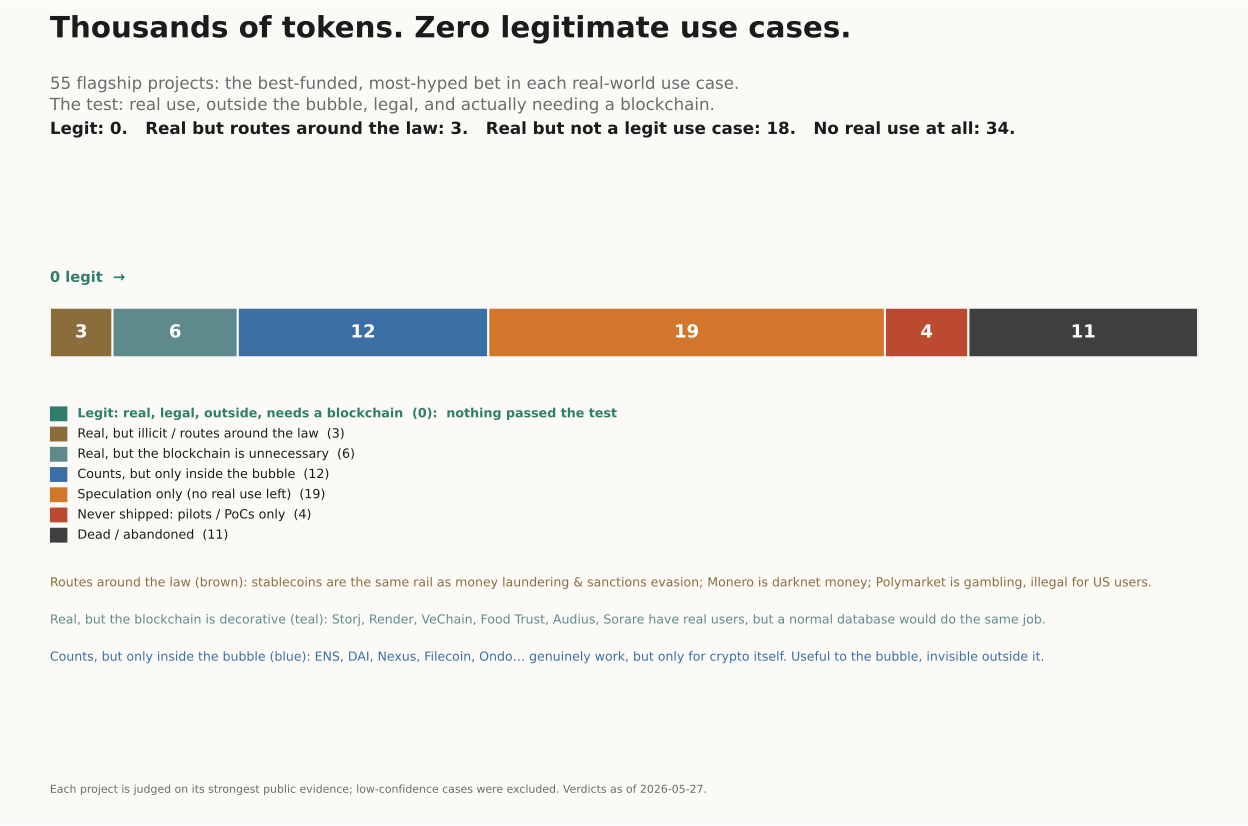
What it shows. We took the best-funded, most-hyped project in every real-world use crypto has ever claimed (supply chains, carbon, identity, voting, music, payments, 149 in all) and asked one question of each: is it used outside the crypto bubble, legally, in a way that genuinely needs a blockchain? None pass.
Why it matters. The entire industry is sold on real-world utility. After fifteen years the strongest examples are either speculation, abandoned pilots, or things only crypto itself uses. The promise still hasn’t arrived.
See every project rated, the full appendix table →2 · The wreckage vs. the bill
$81.4 billion has been lost, and the new law reaches only about a quarter of it.
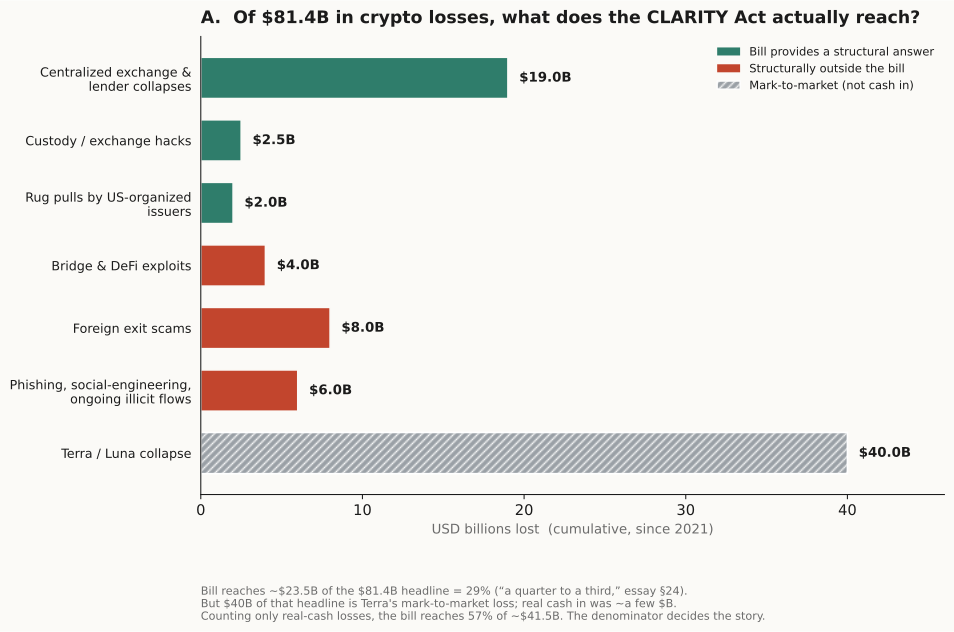
What it shows. Every dollar lost to crypto hacks, scams and collapses since 2021, grouped by cause and colored by whether the CLARITY Act would structurally have prevented it.
Why it matters. The bill is sold as consumer protection. It does address exchange blow-ups like FTX, but the de-pegs, DeFi exploits, foreign scams and laundering flows, which are most of the damage, sit outside it by design.
3 · The money in politics
Crypto is the #2 corporate election spender since Citizens United, behind only Big Oil.
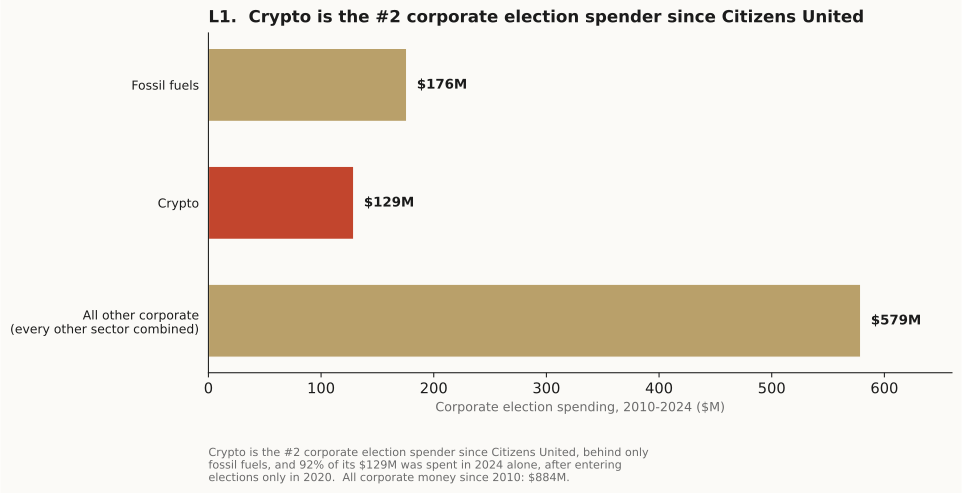
What it shows. Corporate money spent influencing US federal elections since 2010, by industry. Crypto vaulted into second place, and 92% of its total was spent in the 2024 cycle alone.
Why it matters. An industry that can’t explain what it’s for outspent pharma, big tech, and everyone except fossil fuels to shape the laws that govern it. That is how a bill advances without the underlying case ever being made.
4 · The return on that money
It won 53 of the 58 races it targeted, a 91% hit rate.
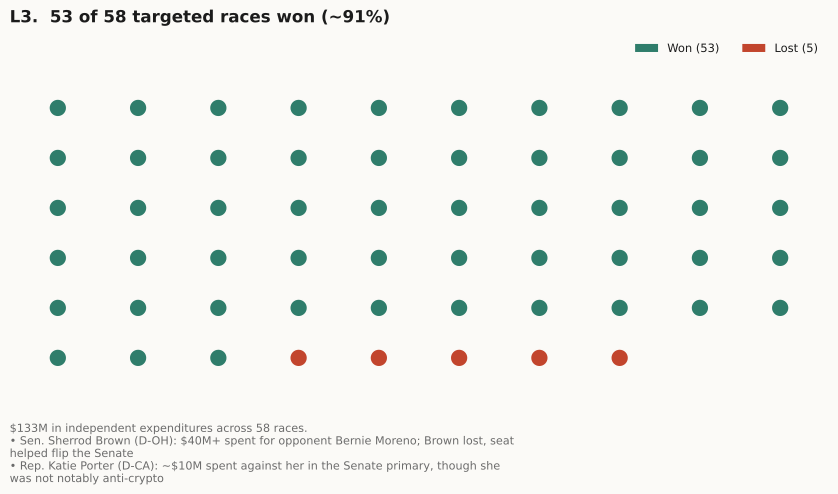
What it shows. The outcomes of the 58 congressional races crypto super PACs spent in during 2024: 53 wins, 5 losses.
Why it matters. The 91% flatters the strategy: many of those 58 were safe-seat primaries where the favored candidate's party was going to win the general anyway. The real signal is the high-spend competitive races — after crypto money helped retire its loudest Senate critic (Sherrod Brown, ~$40M against), every other member learned exactly what opposition costs.
5 · The dollar nobody audits
The largest dollar-token, about $190 billion, has never had a real audit.
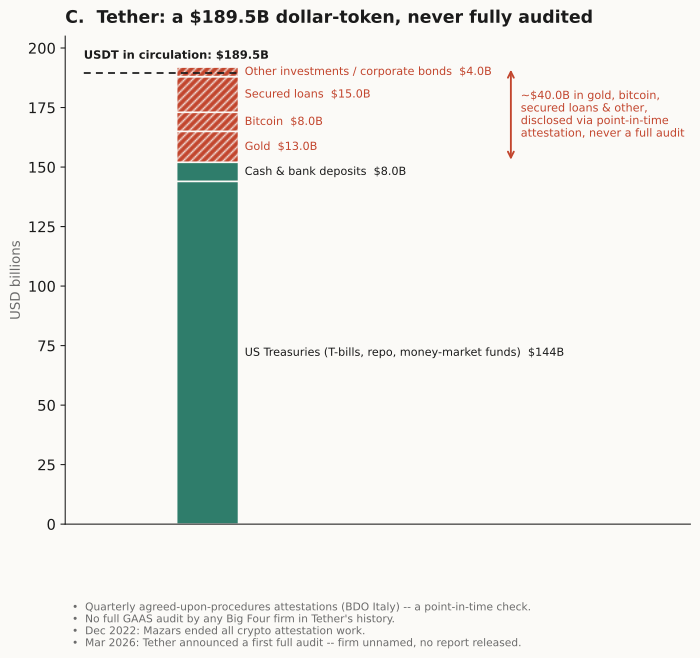
What it shows. Tether’s reserves by asset type. Roughly $40B sits in gold, bitcoin, loans and “other,” disclosed only through point-in-time attestations, never the full audit a bank or money-market fund must pass.
Why it matters. USDT is the main settlement rail for sanctions evasion and ransomware, and a dollar-pegged token much of the world trusts on the issuer’s word. If it ever can’t cover redemptions, the damage lands far outside crypto.
6 · The tell
On K Street it’s a minnow, so it skipped lobbying and bought the elections instead.
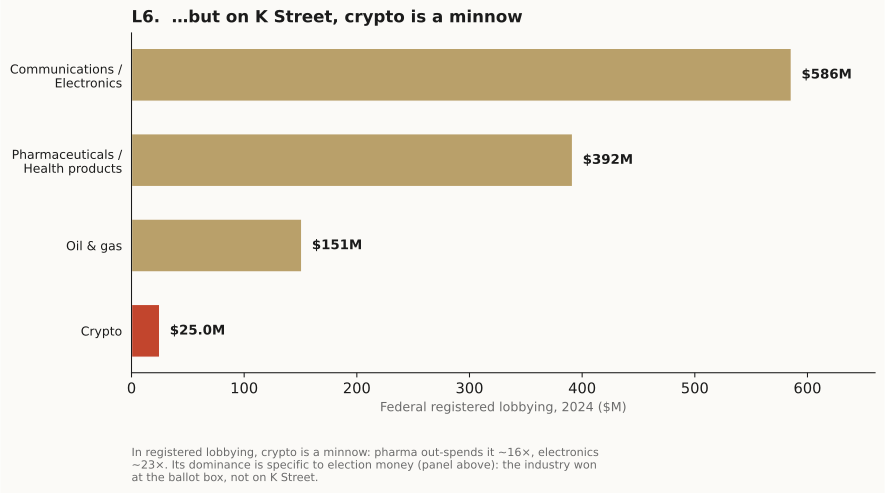
What it shows. 2024 federal lobbying spend by industry. Crypto spends a small fraction of what pharma or tech do on K Street.
Why it matters. Set this next to chart 3 and the strategy is plain: crypto’s power didn’t come from working the rules in Washington; it came from choosing who gets to be in Washington.
7 · The trajectory
From $5.2 million to a $193 million war chest in four years.
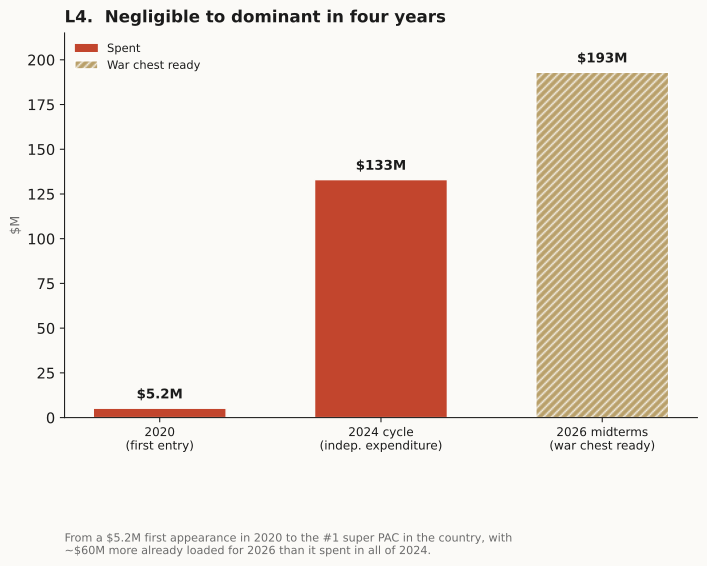
What it shows. Crypto’s election spending over time, plus the cash already stockpiled for the 2026 midterms.
Why it matters. This is a permanent political force, not a one-off. The 2026 war chest is already bigger than everything the industry spent in 2024.
8 · Who paid
A handful of companies paid for almost all of it.
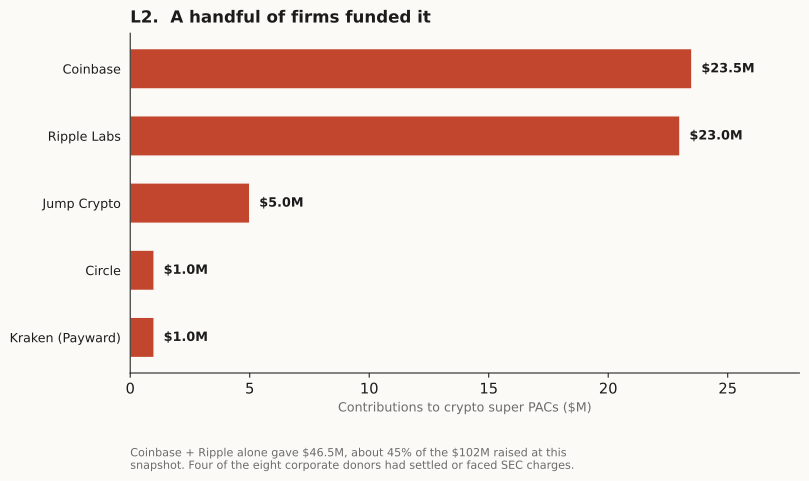
What it shows. The largest donors to crypto’s super PACs. Two firms, Coinbase and Ripple, supplied close to half the money.
Why it matters. This isn’t a grassroots movement. A few companies, several of them facing SEC charges, bankrolled the campaign to write their own rules.
9 · What it bought
Two crypto laws passed, a third advancing.
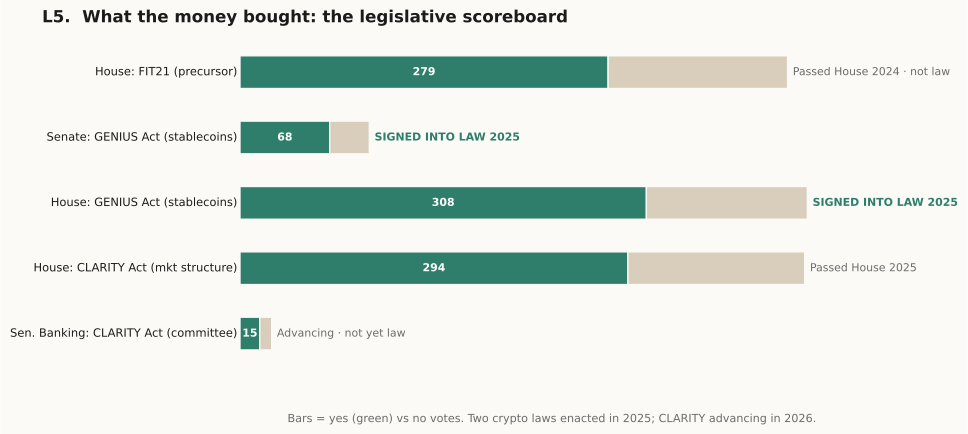
What it shows. The key congressional votes on crypto legislation and where each one stands.
Why it matters. The spending wasn’t abstract. It produced the GENIUS Act (now law) and is carrying the CLARITY Act through a Congress it helped elect.
10 · The honest caveat
Putting the $81.4 billion in fair perspective.
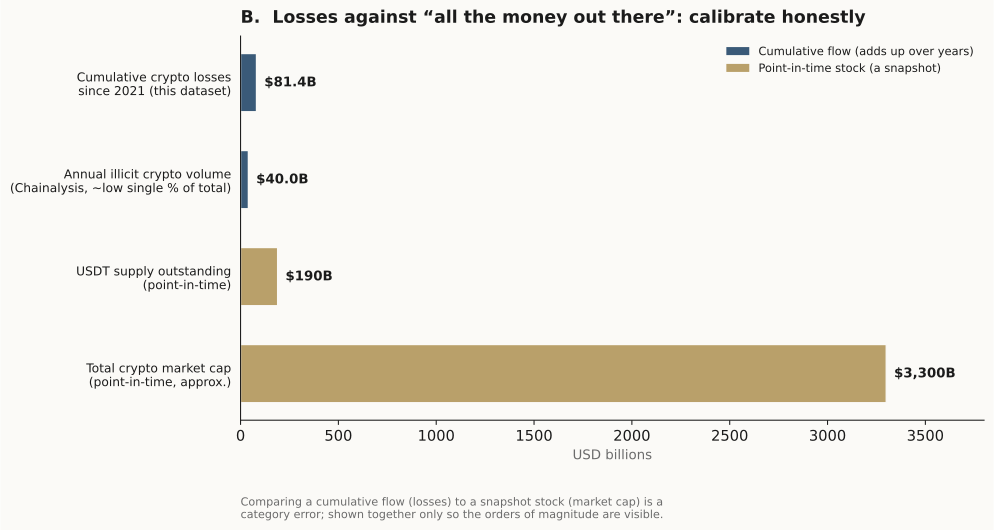
What it shows. The cumulative losses set beside other crypto measures (annual illicit volume, Tether’s size, total market cap) and flagged as running totals vs. point-in-time snapshots so the comparison is fair.
Why it matters. $81B is enormous in absolute terms but small against the whole market. So the argument isn’t “it’s all worthless”: it’s that the harm is real and the law doesn’t reach most of it.